ROI
Flag Turbines are designed to create value across urban, rural and floating energy markets. Their omnidirectional, low-speed architecture is particularly suited to environments with variable or turbulent wind conditions, while direct drive and accessible components are designed to simplify maintenance and reduce lifetime operating costs.
For many commercial users, the strongest return comes from generating electricity where it is consumed. Every kilowatt-hour used on site can displace electricity purchased at the full retail tariff, making local wind generation often materially more valuable than exporting the same energy to the grid. Used alongside solar and battery storage, Flag Turbines can form part of a balanced, year-round energy system.
Carbon reduction ROI
The carbon benefit of a Flag Turbine comes from the renewable electricity it generates over its operating life compared with the energy source it displaces. The greater the proportion of generation consumed on site, particularly where it replaces grid electricity or diesel generation, the greater the potential emissions benefit.
The turbine architecture is also designed around widely available and recyclable materials, including ferrite magnets rather than rare-earth permanent magnets, while avoiding the large carbon-fiber composite blades used in many conventional wind turbines. Modular construction is intended to support repair, component replacement and end-of-life recycling.
Sustainability ROI
The sustainability return extends beyond the electricity generated. Flag Turbines is designed to reduce environmental impact across materials, installation, operation and end of life.
- Environmental Impact: Low rotational speed, low height and modular installation are designed to reduce visual, acoustic and site impact.
- Material Efficiency: The architecture avoids rare-earth permanent magnets and large carbon-fiber composite blades, while prioritizing recyclable materials and replaceable components.
- Circularity: Modular construction is designed to simplify maintenance, upgrades, repositioning, disassembly and recycling over the turbine’s life.
- Energy-system value: Wind complements solar particularly well overnight and through autumn and winter, while battery storage can shift surplus generation to periods of higher demand.

SOCIAL AND PLANNING VALUE
Public acceptance can materially influence the viability of renewable-energy projects. Flag Turbines’ low rotational speed, comparatively low height, quiet operation and visible blade profile are designed to reduce some of the concerns commonly associated with conventional wind turbines, including noise, visual impact and wildlife interaction.
For customers and communities, this can support stronger local acceptance and potentially simplify the path through planning and stakeholder engagement, subject to the requirements of each site and jurisdiction.
Monetized ROI
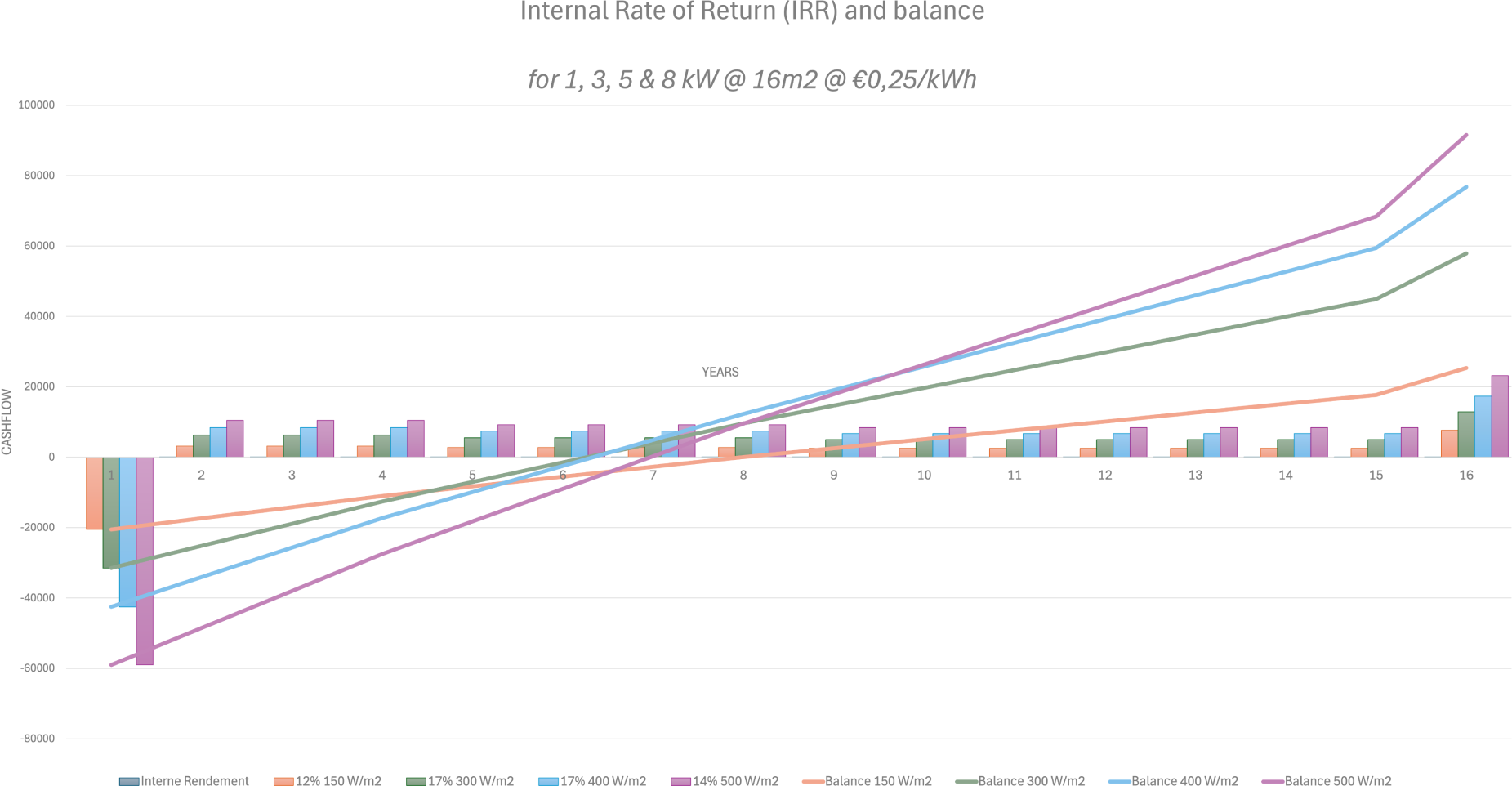
Financial ROI depends on site-specific wind resource, turbine yield, electricity price, self-consumption, installation cost and ongoing operating costs. For many commercial users, the most important variable is not the export price of electricity, but the value of electricity that no longer needs to be purchased from the grid.
Where generation is consumed behind the meter, each kilowatt-hour can offset electricity at the customer’s retail tariff. Where surplus generation is exported, the lower export tariff should be used instead. Battery storage can increase the proportion of generation retained on site where the customer load does not fully coincide with turbine output.
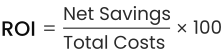

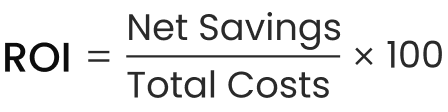

ROI should always be calculated using the customer’s actual load profile, energy tariff and site wind conditions rather than a generic payback assumption.